Beyond the Shiny Toys: The “Invisible” Checklist Ofsted Inspectors Use (That Parents Often Miss)

Choosing a nursery can feel overwhelming. You are trusting other adults with the most important person in your world — and that matters.
When you walk into a nursery for the first time, your eyes are naturally drawn to the new climbing frame, the interactive screens, or the freshly painted walls. “Shiny” can feel reassuring. It looks organised. It looks impressive.
But here is something many parents don’t realise:
Inspectors are far less interested in how new equipment looks — and far more interested in how it is used.
When an inspector walks into a nursery, they are quietly watching for the "invisible" indicators of quality: the everyday moments that show whether children feel safe, confident, and genuinely supported to learn.
If you are visiting nurseries in Birmingham, here is what is really worth noticing.
1. The “Eye-Level” Rule: Are Adults Truly Engaged?
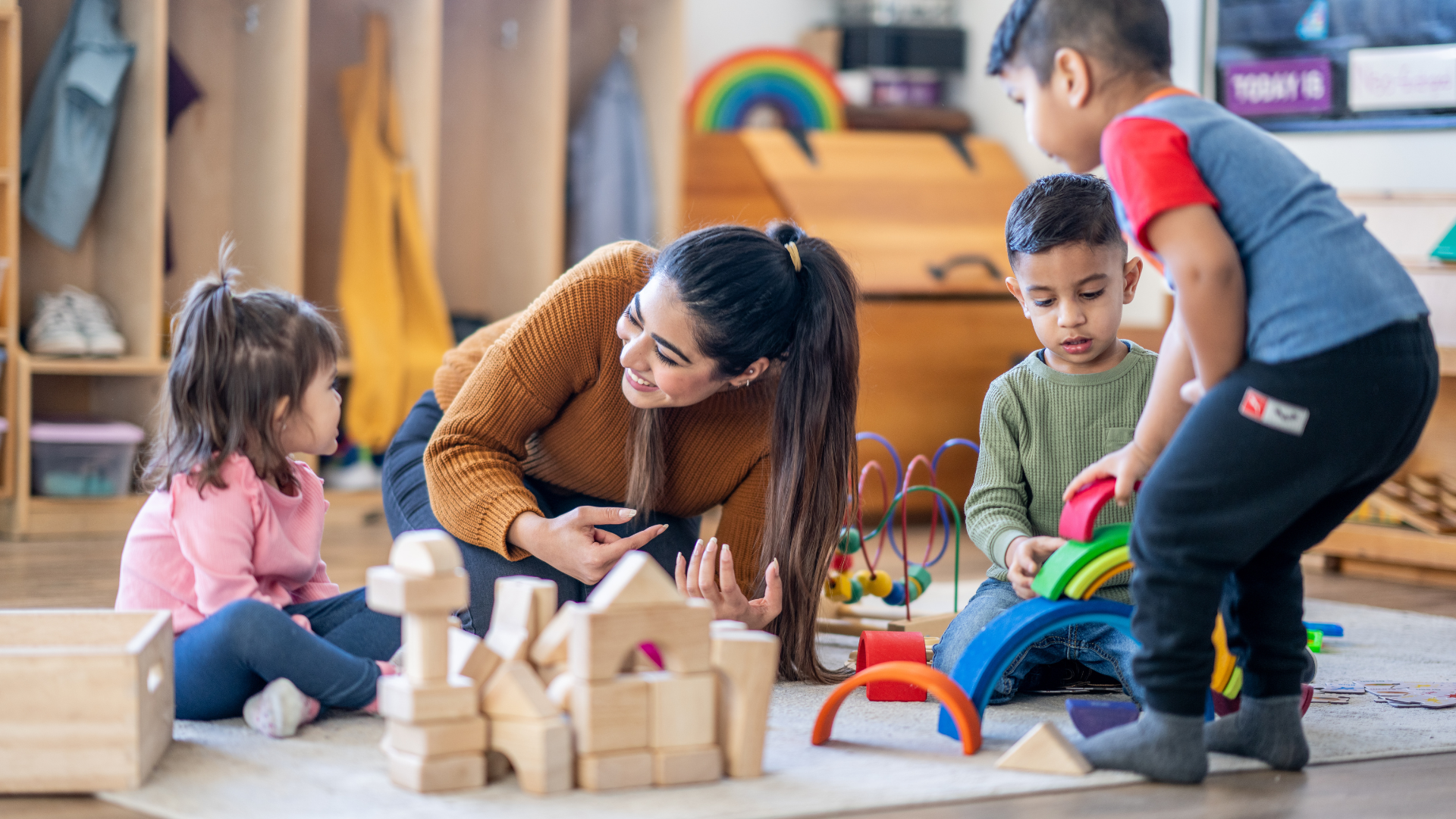
Watch where the adults are. Are they standing back and supervising from a distance — or are they down at the children’s level, involved in play and conversation?
High-quality early years practice involves what inspectors call Sustained Shared Thinking. In simple terms, this means adults joining children in their play and gently extending it.
You might notice:
- Adults sitting on the carpet
- Conversations that build on a child’s idea
- Curiosity being encouraged through questions
For example: "I wonder why the traffic has stopped?" or "What do you think will happen next?"
When adults are comfortable getting involved — even when play gets messy — learning deepens naturally.
2. Not Just “Quiet,” but Purposeful
A noisy room can feel overwhelming. A silent room can be a red flag. What you are looking for is something in between: a calm, purposeful hum.
Listen carefully for:
- Children talking to one another
- Adults responding thoughtfully
- Laughter, curiosity, and focus
One strong indicator of quality is when children are so engaged that they barely notice a visitor walk in. Inspectors recognise this as deep-level learning — children absorbed in meaningful activity.
3. Independence (Even When It Takes Longer)
It is quicker for an adult to put a coat on. It is neater for an adult to pour the drink. But high-quality nurseries value learning over speed.
Inspectors look for children being encouraged to:
- Try things themselves
- Make choices
- Persevere through small challenges
At a setting focused on development, you will see low-level coat pegs, self-service snack stations, and children practising zips and buttons. Yes, it can be slower. Yes, it can be messier. But this is how confidence, resilience, and independence grow.
4. Walls That Tell a Story (Not a Perfect One)
Displays can be very revealing. Be cautious of walls filled with identical artwork. When every piece looks the same, it often means children were directed step-by-step.
In strong settings, walls show process art:
- Unique
- Sometimes messy
- Sometimes abstract
- Always child-led
These displays tell inspectors that children’s ideas are valued — not just the finished product.
5. Emotional “Holding”: How Feelings Are Handled
Children get upset. They fall. They miss home. What matters is how adults respond in those moments.
Compare the difference:
- Dismissive: “You’re fine. Go and play.”
- Supportive: “I can see you’re sad. Mummy has gone. It’s okay to feel that way. I’m here.”
This approach is known as
co-regulation — helping children manage big feelings before they can do it alone. Inspectors pay close attention to this because emotional security underpins all learning.
6. Cultural Capital That Reflects Real Life
This is an important focus for Ofsted. Cultural Capital simply means: Does the nursery prepare children for the world they are growing up in?
High-quality nurseries avoid a generic approach. Instead, they reflect the real lives of the children they serve. In diverse areas like Sparkhill or community-focused neighbourhoods like Bearwood and Billesley, that might look like:
- Books showing families that look like yours
- Celebrations that are meaningful, not tokenistic
- Cooking real food, not just pretend play
- Talking about the local community and environment
This is not about ticking boxes. It is about children seeing their own lives valued and understood every day.
How Can You Tell If a Nursery Is High Quality During a Visit?
Ask yourself:
1. Do children seem comfortable and confident?
2. Do adults speak respectfully and warmly?
3. Is learning happening naturally through play?
4. Does the environment feel calm but alive?
These observations matter far more than how new the furniture is.
The Ultimate Gut Check
Finally, trust how the place makes you feel. A high-quality nursery often feels warm, calm, slightly lived-in, and full of care. It should feel less like a showroom — and more like a place where children truly belong.
If you are considering Greencoat Nursery, we encourage you to test us against this list. Watch our staff interact at eye level. Listen to the rhythm of the room. Look closely at the work on the walls.
Seeing it for yourself makes all the difference.